Turning how a founder sells into a playbook your team can follow
Lightfield
A founder’s sales judgment lives in call patterns, deal notes, and decisions about which accounts to chase. A playbook helps new sellers when it’s written from that evidence and kept where they work. This page covers how Lightfield holds a playbook, how its output gets reviewed, and what to check before you rely on one.
Where Lightfield fits
Lightfield is an agentic CRM. It captures every customer interaction, organizes that history so agents can work from it, and gives agents the tools to do consistent, good work. Company Knowledge and Skills teach agents how your business operates. You own the Knowledge, Skills, and Automations you build, and you can read and edit them.
Power moved from founder-led selling to a team of five sellers. Co-founder Brandon Li describes what they built: “We can build in custom deal coaching in Lightfield for a more complicated enterprise sale, pull in best practices from other sales leaders that we respect, and follow our playbook to make sure we’re running the play that we know works in our market at the right time.”
In Power’s case, the playbook lives in Lightfield as Knowledge. Before a deal review, a rep runs a deal-coaching Skill against the opportunity, which checks the deal record and call history against the playbook.
How a playbook becomes something sellers use
We think a playbook works when it starts from evidence. In Lightfield, the steps look like this:
- Capture the evidence. Lightfield records and transcribes calls, and records updates from your interactions.
- Write the rules down in company Knowledge, so agents work from the same guidance every time.
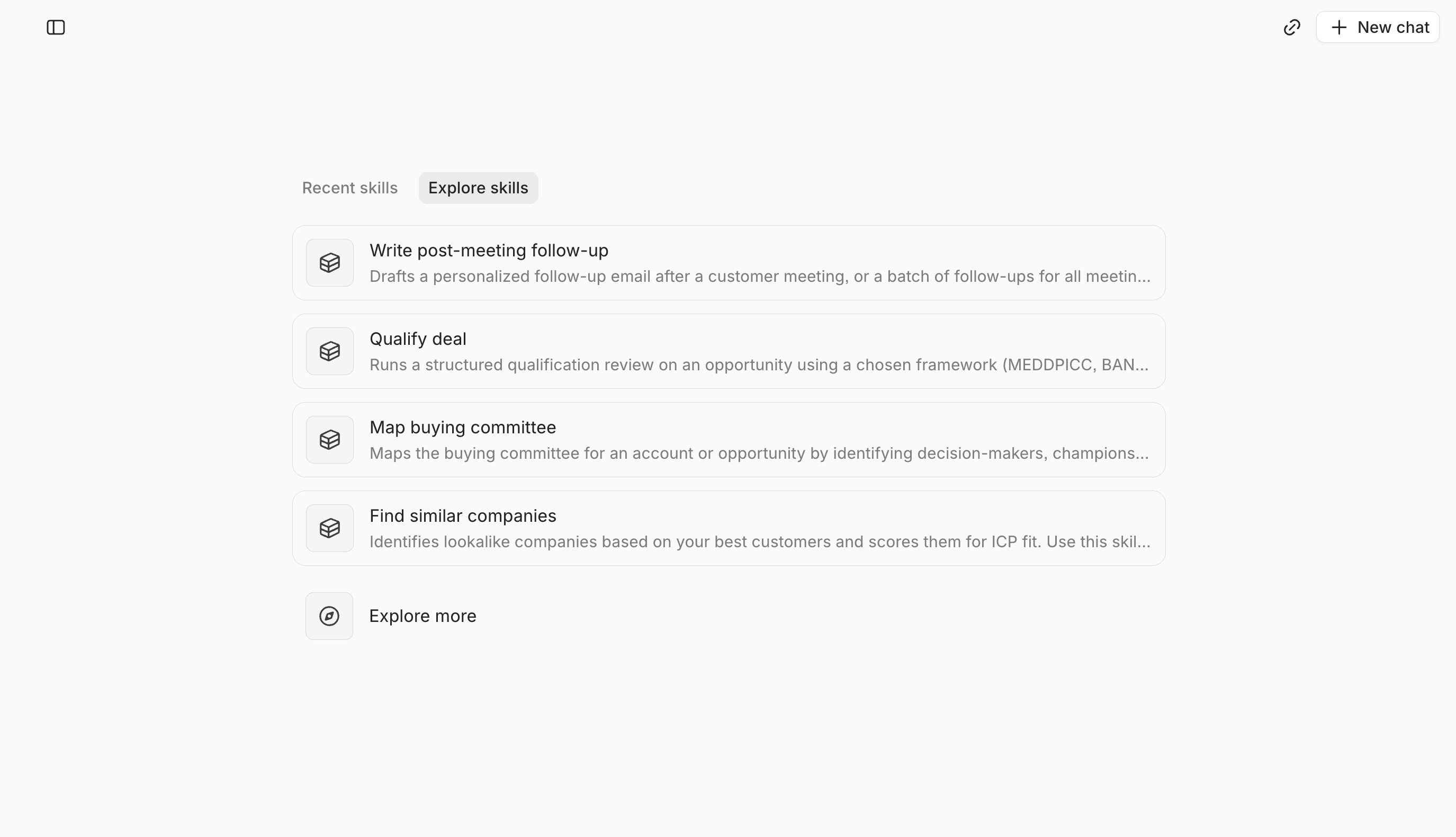
- Turn repeatable guidance into Skills, such as a deal-coaching check a rep can run before a review.
- Review the output. Agents work within your permissions and settings, and fields set to Suggest wait for your approval. A person checks what agents produce before sellers rely on it.
What a playbook can’t settle
A playbook shows what worked for the founder. It gives new sellers a starting point, but it doesn’t make every seller’s judgment the same. Lightfield’s agents support sellers instead of replacing them.
Try it yourself
We wrote this page, so run these requests on your own data:
- Summarize the patterns in the deals we won over the last two quarters.
- What objections came up on calls with accounts that stalled?
- Draft a deal review for this opportunity that follows our playbook.
What to check before you choose
- Whether your playbook exists in writing, or only in the founder’s calls.
- Who reviews agent output before sellers see it.
- Which parts of your process must be the same for every seller.
- Who owns the Knowledge and Skills your team writes.
FAQ
What is a Skill? Repeatable guidance that teaches agents how your business operates. You own your Skills and can read and edit them.
Who owns the Knowledge, Skills, and Automations we build? You do.
Does an agent decide how my sellers work? No. Agents work within your permissions and settings, and fields set to Suggest wait for your approval.
Do agents replace sellers? No. They support them.
Can Lightfield run my team’s coaching checks? You can build a deal-coaching Skill, as Power did, and automate the steps around it.
To see how a playbook would sit in your workspace, book a demo.